


51st Tsinghua University Forum of China and the World Economy successfully held at Tsinghua University
Originally published July 7, 2026, in Chinese on ACCEPT's social media account. Translated by ACCEPT.
Source: https://www.accept.tsinghua.edu.cn/2026/0707/c25a7795/page.htm
China's 2026 Mid-Year Economic Update
51st Tsinghua University Forum of China and the World Economy
On July 7, 2026, the 51st Tsinghua University Forum of China and the World Economy, organized by the Academic Center for Chinese Economic Practice and Thinking (ACCEPT) at Tsinghua University, was broadcast online. The event’s theme was entitled “China’s 2026 Mid-Year Economic Update.”
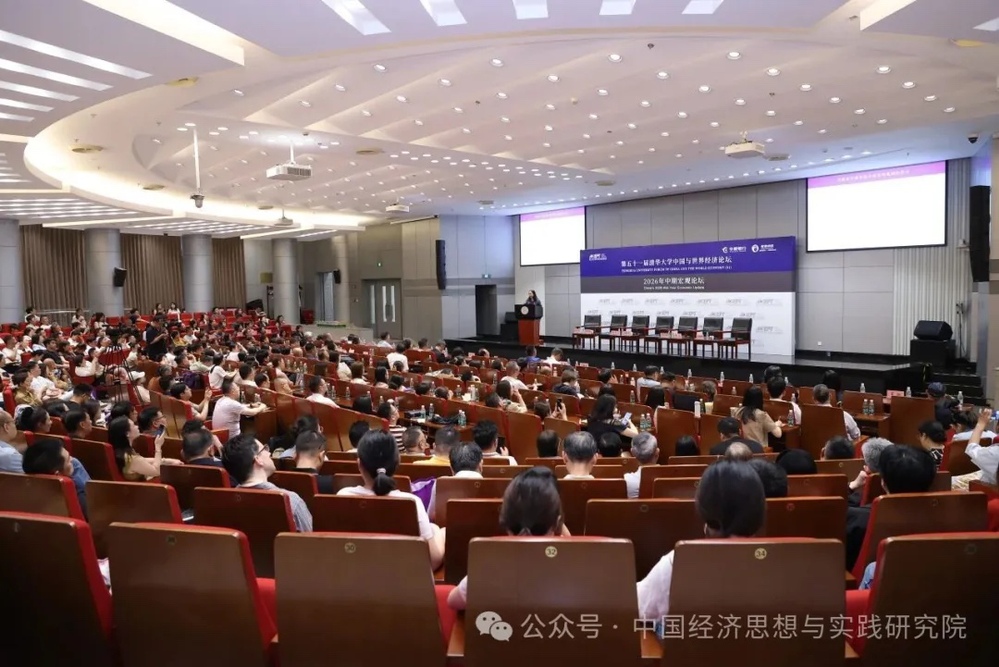
Guests in attendance at the biannual forum included Sheng Laiyun, former Deputy Director of the National Bureau of Statistics of China (NBSC); Zhang Ming, Deputy Director and Researcher at the Institute of World Economics and Politics (IWEP) at the Chinese Academy of Social Sciences (CASS); Zhao Kejin, Professor in the Department of International Relations at Tsinghua University’s School of Social Sciences; Wei Liang, Associate Researcher at the Institute of West-Asian and African Studies (IWAAS) at CASS; Wu Xiaoqiu, Director and National First-Class Professor at the National Academy of Financial Research (NAFR) at Renmin University of China; Ming Ming, Chief Economist at CITIC Securities Co., Ltd.; Tang Haiqing, Director of Tianfeng Research Institute at Tianfeng Securities Co., Ltd.; David Daokui Li, Director of Tsinghua University’s ACCEPT, Co-President of the Society for the Analysis of Government and Economics (SAGE) and Professor at Tsinghua University’s School of Economics and Management; and Liu Peilin, Chief Researcher at Tsinghua University’s ACCEPT. The Deputy Executive Director of ACCEPT, Li Ke’aobo, presided over the forum's proceedings.
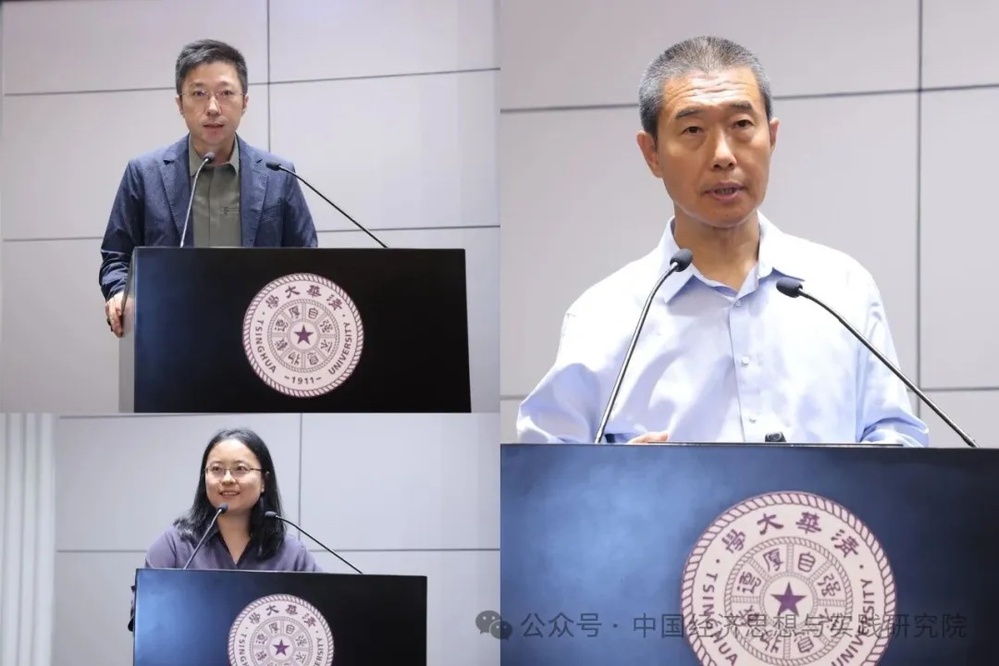
Li Ke'aobo (top-left), Lu Lin (bottom-left) and Liu Peilin (right) address the audience during the forum's proceedings.
On commencement of the forum, Liu Peilin first presented the main findings from the 107th China Macroeconomic Analysis and Forecast Report on behalf of ACCEPT’s research team. The core standpoint of the report emphasizes the need to continually bolster confidence, square off against any challenges head-on, identify major pain points and take well-targeted corrective actions accordingly. Liu pointed out that although economic indicators started to improve for a short while during the first quarter, this performance weakened in the second quarter. Even so, China's long-term economic growth potential remains considerable. He also took special care to disentangle claims that demographic aging would constitute a hinderance to the country’s long-run economic development prospects. Applying the 65-year-old threshold for defining the elderly age group as established 70 years ago is no longer an appropriate standard in view of today's population structure. Based on contemporary health outcomes and life expectancy rates, the overall population could actually be described as trending younger, which therefore entails that the longer-term capacity for continued economic expansion remains ample.
The report stated that a stagnated circulation of social funds represents the primary issue impeding China’s current economic cycle: residents’ cautionary savings have continued to rise while their willingness to spend on consumption has declined; enterprises have persisted in pulling back investments despite having ample funds at their disposal, with fixed asset investment in April and May experiencing a sharp and historically exceptional decline; and local governments have meanwhile been striving to meet their debt repayments, with most of these funds being used for paying off interest payments rather than paying down any principal balance, undermining funding capacities for spending on capital construction and social welfare, which otherwise would have a tangible contribution towards driving economic activity. Demand from all three market players has contracted simultaneously, precipitating a cooldown in economic activity.
Next, ACCEPT researcher Lu Lin introduced a package of corrective measures as proposed in the report, which includes four different aspects. First, the real estate market needs to be stabilized, including by implementing a limited period of interest-discounted mortgages subsidized by the government, in addition to acquiring excess housing stock and increasing the supply of affordable housing to jump-start activity in the real estate market. Second, investment in people needs to be ratcheted up to a larger degree, such as propelling consumption through the shared input of both the government and local residents, including by accelerating the domiciliation of migrant workers residing in urban areas. Third, restrictions on consumers need to be relaxed. Eliminating systemic barriers to consumption, such as easing restrictions on operating motorcycles and removing mandatory scrapping rules to stimulate the motorcycle industry. Finally, investment into urban renewal and computing infrastructure needs to be expanded, including filling in any funding gaps where they emerge. Lu further underscored that the core obstacle in implementing such policies is the ongoing burden of debt repayments, which has continued to place constraints on the fiscal policies of local governments. Therefore, the report recommends adjusting the assessment system for local officials, including incorporating indicators associated with improving people’s livelihoods, in addition to issuing more central government bonds to swap out existing local debt. The central government, meanwhile, controls a large amount of state-owned assets, with its debt-to-GDP ratio remaining at a very low level in comparison with the rest of the world, hence making its financing costs relatively more favorable. Once the economy recovers, the accompanying growth in tax revenues can then be used to pay down these debts. Issuing additional government bonds can also provide the financial markets with the safest and most liquid financial products, promoting the building of a “strong financial nation.” Once this entire set of measures is fully implemented, it is highly reasonable to expect a reversal in the economy’s downward trend and a return to the country’s normal economic growth momentum.
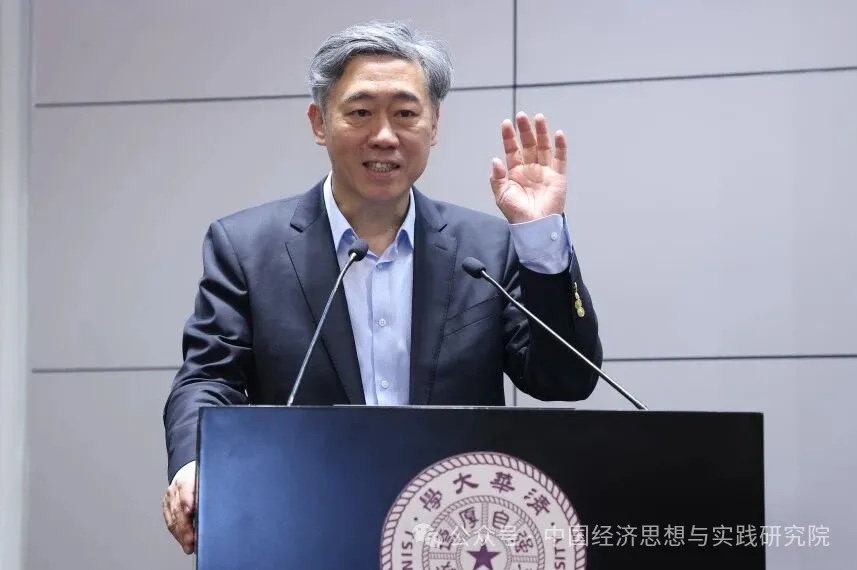
Following these presentations, David Daokui Li went a step further in summarizing the report’s main findings. He stated that although China's economy is currently facing certain difficulties, such as declining investment and rising employment pressures, the foundations for sustaining the country’s long-term development remain solid. With its vast untapped demand, a high savings rate, abundant high-skilled talents in engineering and technology, and a continuously improving and healthier human capital reserve, one can remain firmly confident in the country’s economic outlook. At the same time, it is also necessary to squarely confront the genuine issues that have cropped up from declines in fixed asset investment and across employment sectors. Li argued that the principal obstacle hindering the economy’s current performance is a “stagnation and blocking up” of the circulation of funds. Therefore, he recommended taking actions to stabilize the real estate market, including by subsidizing the interest on home loans and purchasing excess housing stocks, in addition to promoting the urban domiciliation of rural migrant workers and “investing in people.” In order to unleash the dynamism of local government fiscal policies, the central government should also issue additional government bonds to swap out high-cost local government debt. He underscored that macro-level governance of the economy must shift from the previous “public finance” mindset, which places its emphasis on an annual balance sheet of revenues and expenditures, to a “public finance” mindset that coordinates in tandem across the full repertoire of government assets, liabilities and longer-term returns.
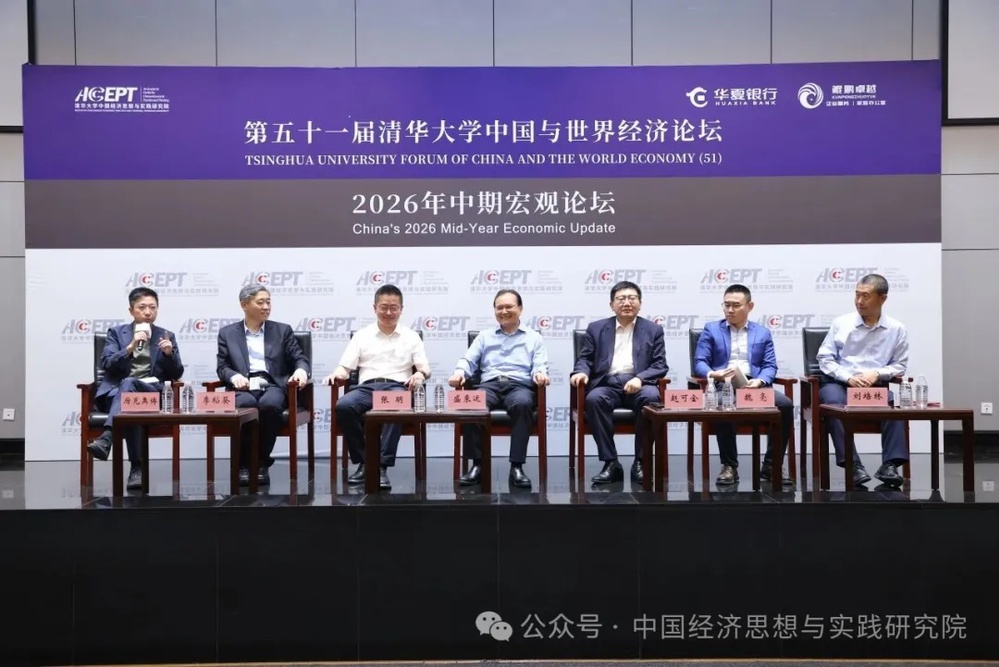
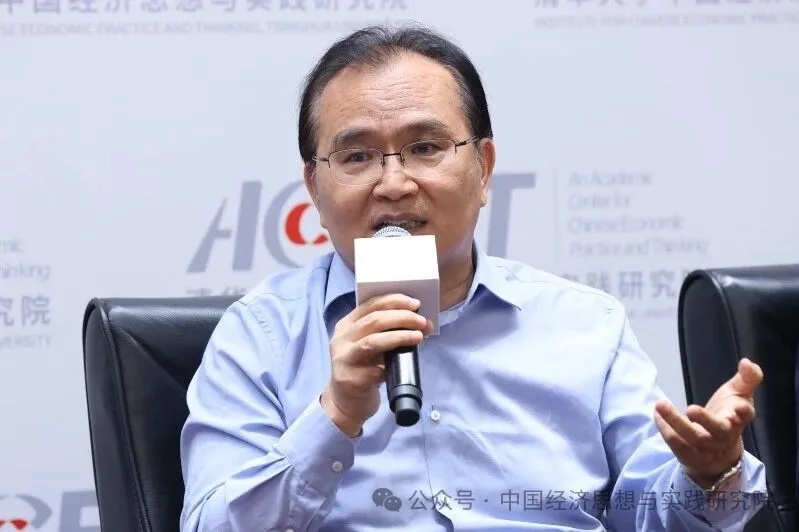
During the roundtable discussion segment of the forum, Sheng Laiyun presented three views on the current economic situation. First, some of the recent oscillations in certain economic indicators are a reflection of distinct structural factors. Second, the current descent in consumption is mainly concentrated in discretionary spending. Third, the overall economic climate remains stable. Indicators such as manufacturing, services, employment, prices and net exports all show support for the economy, with growth in the first half of the year likely to remain within the annual target range. Sheng pointed out that more attention should now be paid to the “temperature difference” between statistical data and residents’ own sentiment. This temperature difference mainly stems from the ongoing fall in prices, a surplus in production capacity and distribution channels for allocating resources. Hence, while enterprises and residents are reacting to nominal income levels, insufficient demand and inventory overload, the statistical indicators are showing real growth and increased production. Taking averages in statistical measurements can also easily mask divergences in industry and income breakdowns. New energy vehicles have performed well, but traditional industries as well as small and medium-sized enterprises are still encountering significant pressures.
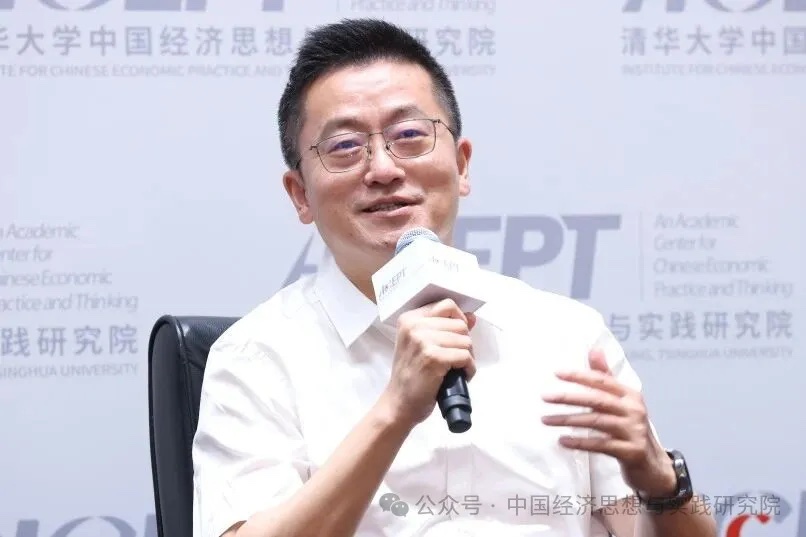
Zhang Ming offered a systematic view on the issue of local government debt. First, in recent years, the central government has achieved a degree of success in controlling the accumulation of new hidden debt and promoting the implementation of debt swaps. A portion of local government debt servicing costs have decreased and maturities have meanwhile been extended, but local governments remain under a great deal of stress. Second, local governments have shown an unwillingness to permit defaults in the areas of platform credit or state-owned enterprise debt. Because once a credit crunch occurs, financing costs for the entire region will rise. Local governments can only continue to repay their existing high-interest debts, with large volumes of available resources now being utilized to pay down old debts. Third, local government debt is highly correlated with the overall state of the business environment. Some local governments' actions in terms of tax matters and law enforcement have been distorted, which is not simply a matter of policy preferences but rather a reluctant move under a scenario of fiscal constraints.
Zhang expressed that local government debt and the real estate sector are two sides of the same coin. After the real estate market adjustment, fiscal and financial dealings in the market for land came under pressure simultaneously, directly impacting local government revenue sources. On the one hand, in order to fundamentally ease the burden of local government debt, the real estate market needs to be stabilized after first reversing its declines, with market sentiment in first- and second-tier cities being most especially in need of stabilization. On the other hand, existing high-cost debt beyond a certain standard should be resolved through central government intervention. The central government's issuance of special government bonds to swap out a portion of historical debt is economically reasonable, since a large amount of local government debt was used in the past for infrastructure construction and long-term development projects.
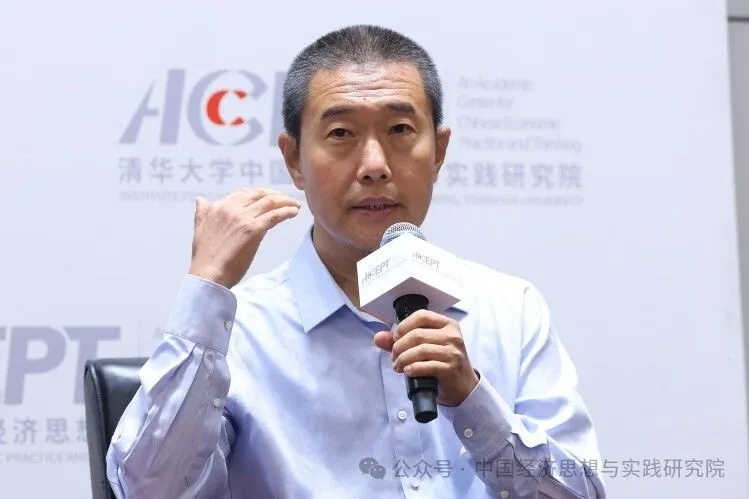
Liu Peilin stated that among the three leading economic forces, China currently faces relatively weak investment and consumption, with growth mainly being driven by exports. Last year, China set a record for a single-country goods trade surplus exceeding one trillion US dollars. To some extent, external demand has played a role in offsetting sluggish domestic demand and has become an important driving force supporting China's economic growth. However, it should be noted that the resumption of the China-US trade war is still possible, and European countries led by Germany are also showing signs of engaging in trade disputes, such that China's export situation will remain highly uncertain moving forward into the future. Under the current circumstances, the compensatory effect that external demand is having on domestic demand cannot be sustained over the long term. In the looking ahead, efforts must continue to focus on stimulating domestic demand through increases in household income and making improvements to income distribution. This is a long-term goal that requires the joint efforts of multiple policies, and relevant measures should be introduced as soon as possible to avoid repeated delays that could deepen current challenges.
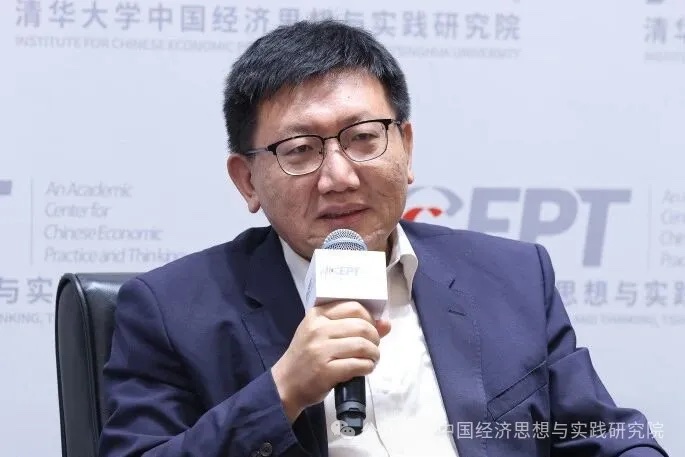
Zhao Kejin suggested that the formation of a “constructive strategic and stable relationship” between China and the US is essentially a temporary pause in the strategic game that the two countries are playing. After the US launched its tariff war, its leaders found it rather difficult to unilaterally coerce China, with the US also having to bear considerable costs itself, so the intention now is to first stabilize relations. Even so, this stability has not removed the underlying contradictions in China-US relations. The strategic game between the two countries has entered a stalemate phase and will continue to affect China's economy and the international environment for many years to come.
Zhao asserted that China's current economic issues cannot be understood solely from the perspective of domestic policies, but must also be viewed within the context of the international landscape. A key condition for the success of the reform and opening up period in the past was the mutually beneficial relationship between China and the US in terms of capital, markets and the global system. At present, alongside changes in the domestic power structure within the US, Wall Street's waning influence, and the surging sway of Silicon Valley and the national security sector, the economic foundations of China-US relations are also undergoing a change. Global supply chains are forming into “two chains:” one focused on efficiency, and the other focused on security. When the logic of security is in the ascendance, economic efficiency will be sacrificed, with decoupling and severed supply chains often being the ultimate result of this line of reasoning.
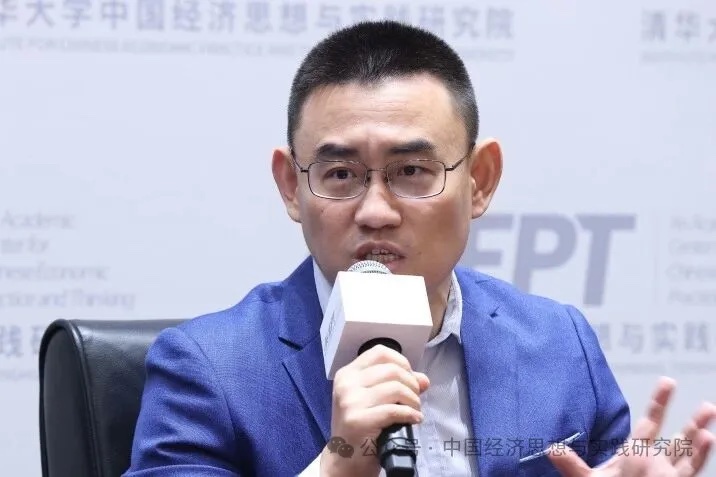
Regarding the US-Iran conflict and the situation in the Middle East, Wei Liang mentioned that a major misjudgment by the outside world in this round of the conflict is the assumption that the Iranian regime would rapidly collapse. The actual situation on the ground has demonstrated that Iran possesses an ample degree of national resilience. Although Iran has long faced economic pressures and public dissatisfaction with its government, when external intervention materializes, internal conflicts are temporarily set aside, and the country’s national identity and civilizational memory are once again transformed into a unified force against these outside forces. Iran is notable for its deep-seated historical heritage and national consciousness, which are key sources of its political resilience.
Wei pointed out that the US-Iran conflict has changed the outside world's perception of Gulf security. Currently, one can be relatively optimistic concerning the implementation of the two parties’ memorandum of understanding, but the final negotiations still face many tough hurdles. The security environment in the Gulf region has now undergone a perceptible shift compared with before the conflict. In the past, countries like the United Arab Emirates (UAE) relied on security guarantees to promote modernization, financial openness and a thriving real estate sector, but the core of this underlying logic has now been shaken. Without security as a foundation, the continued expectation of hot money and expanded real estate investments may become uncertain. In recent weeks, some funds have been withdrawn from the UAE, and housing prices have also fallen, indicating that the market has begun to reprice regional security risks.
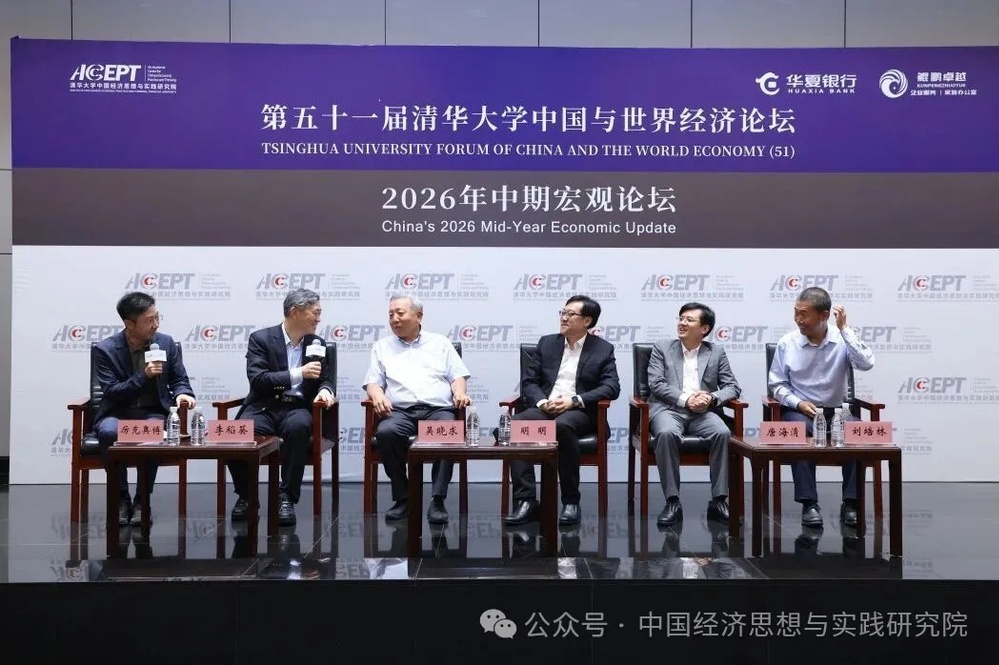
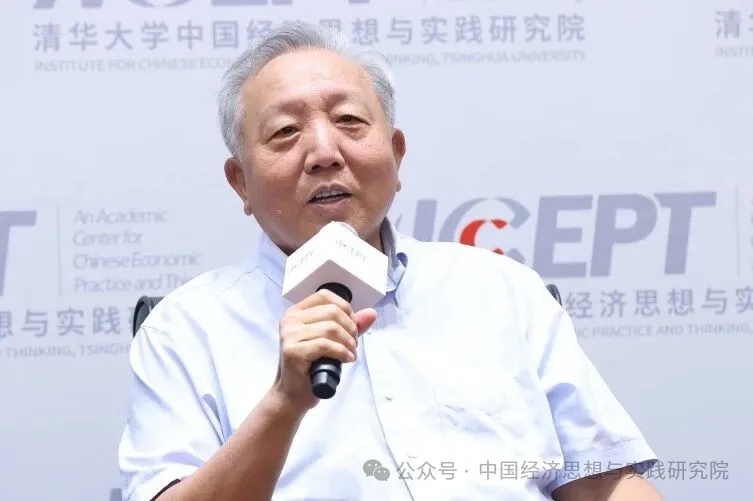
In the roundtable discussion segment on topics concerned with capital markets, Wu Xiaoqiu relayed that September 24, 2024, represents an important historical milestone in the development of China's capital market. The major change was not the rise or fall of the index, but rather a fundamental shift in the broader society's understanding of the functions of the capital market. He pointed out that the capital market is by no means just a financing platform; it is also a market for wealth management, a platform for incentivizing technological innovation, and a core hub for driving economic restructuring and industrial upgrading. Innovators and explorers at society’s vanguard bear enormous risks, and society should reward them with institutionalized premiums accordingly. With this common understanding now established, reforms on the asset, capital and institutional sides have continued to advance side by side. The capital market ecosystem is now undergoing a systematic restructuring, and after the optimization of Article 5 in the STAR Market, high-tech enterprises are gradually becoming listing entities, while restrictions on access to long-term capital have been relaxed to a large degree. Meanwhile, the central bank has introduced innovative structural tools such as swaps and re-lending to provide liquidity support for the market. Legal measures have also been continuously strengthened, with penalties for violations rising from hundreds of thousands to hundreds of millions Chinese yuan or even leading directly to criminal penalties. Regarding market operations, he insisted that there will be no more systemic crashes triggered by institutional flaws like in 2015, although normal volatility and risks will always exist.
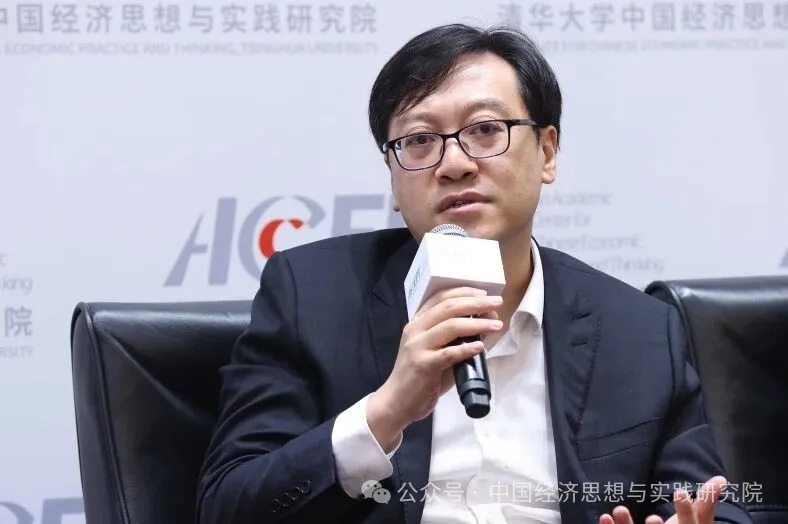
Ming Ming contended that the most notable feature of this year's capital market is the divergence between the technology-related sector and traditional industries. This K-shaped trend reflects both the AI revolution and deep readjustments to the global economic structure. From the US, Japan, South Korea to China, technology-related assets have generally performed outstandingly, while traditional industries remain under pressure, so investors' actual sense of gains is perceptibly weaker than that of the index itself. Regarding the market in the second half of the year, he expects the main emphasis should be on appreciating the key contradictions between the “technology sector and traditional industries” and “capital gains and dividends.” Currently, the market maintains a high daily trading volume of over 3 trillion Chinese yuan and is highly active. Once a new narrative emerges, whether it is a significant correction or an industry rotation, the rebound will be rapid. Regarding US Federal Reserve policy, he shared a unique observation: although the new Fed Chair has made hawkish remarks, his actual actions have left room for maneuver, so the probability of rate hikes in the second half of the year is not high. Regarding asset allocation, he noted that the real estate sector has more or less returned to an emphasis on purchasing property for living in, with rental yields in first-tier cities, after considering costs, now being less attractive than fixed deposits, which therefore makes rental properties no longer suitable as investment products. Meanwhile, gold trading is already relatively maxed out, with many people applying ultra-long-term rationales to explain short-term price fluctuations, which hence means less optimism about the gold market’s future upside potential.
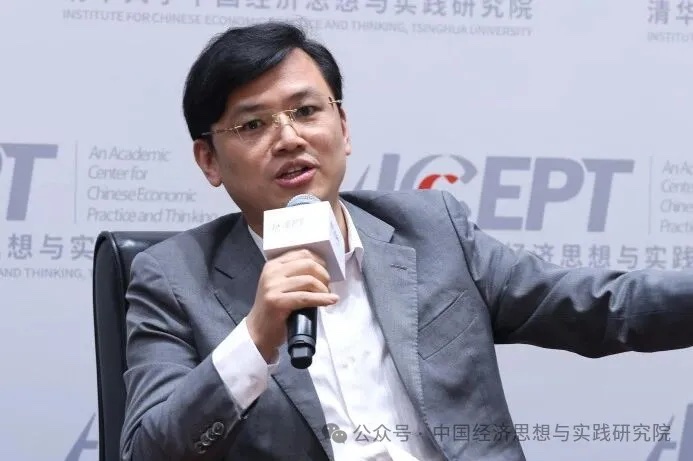
Tang Haiqing conveyed that there is no bubble that has emerged in the AI industry at present, with real industry demand remaining highly robust. First, high-end AI servers are extremely hard to get one’s hands on, with spot prices rising from 3 million a year ago to 10 million Chinese yuan, and with server usage rates now fully maxed out. The low utilization rate for some domestic data centers is mainly due to a mismatch in the demand structure and is not representative of a deficiency in overall demand deficiency. Second, current valuations are not considered expensive. Many people are of the view that excessive stock price increases indicate the formation of bubbles, but in reality, earnings have grown even faster. Third, using the generational evolution of optical modules as an example: historically, each generation reached 10 million units before hitting the ceiling and then iterating again thereafter. But this time, two generations of products are rapidly emerging simultaneously, representing demand creation at the level of the Industrial Revolution. He further emphasized that the Scaling Law's technical pathway has not yet encountered bottlenecks. Each generation of model upgrades requires about a fivefold increase in computing power, with 3 to 5 generations of room currently leftover for completing this continued iterative process. More importantly, the business model is already being put into place, with OpenAI and Anthropic now generating over 100 billion US dollars in annual revenue: AI is no longer just a story of “burning through money without profits.”